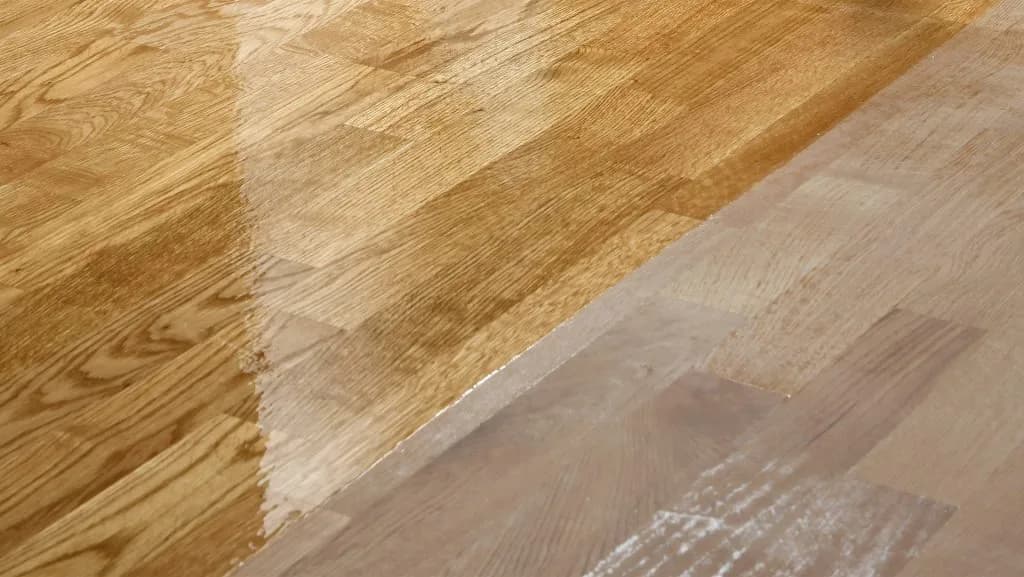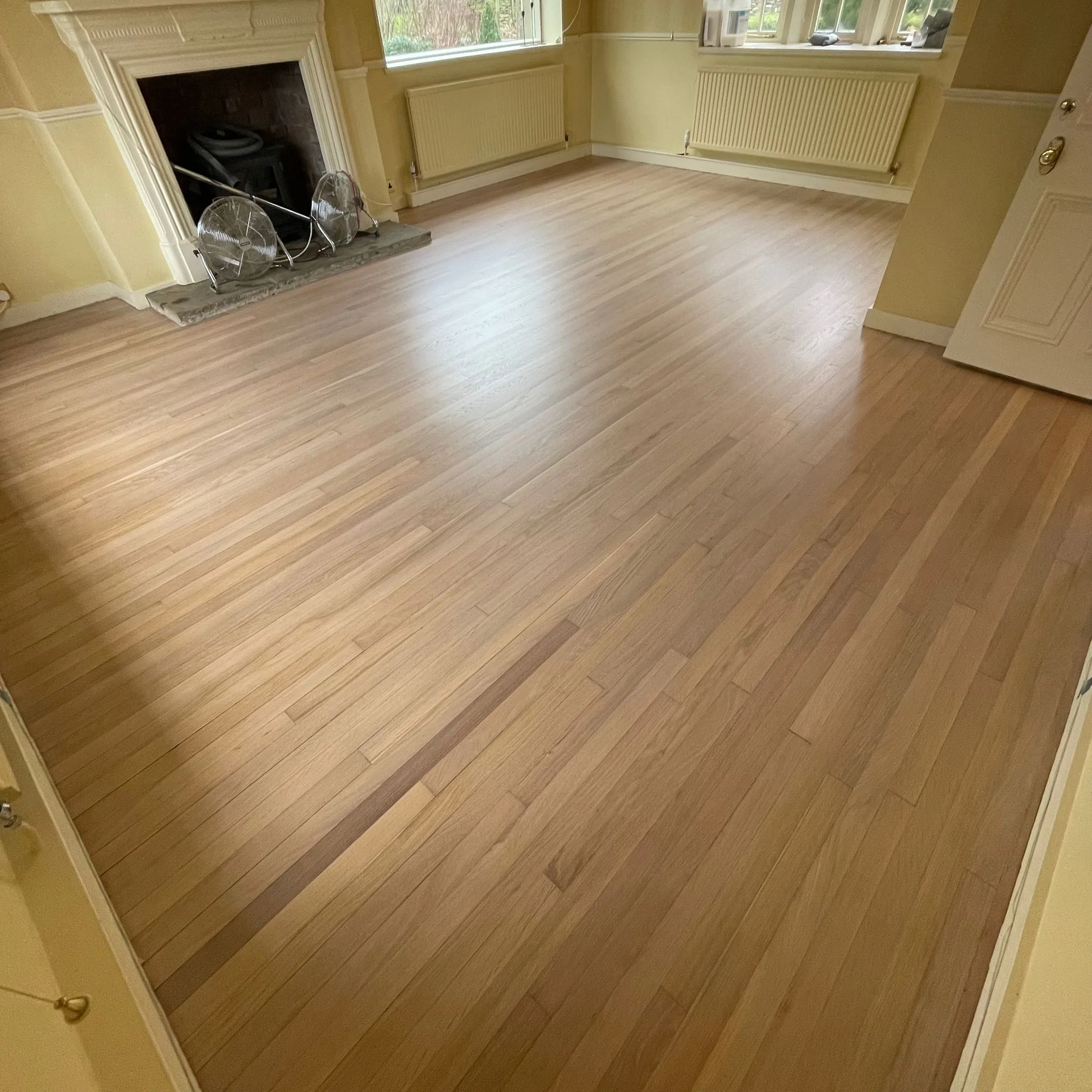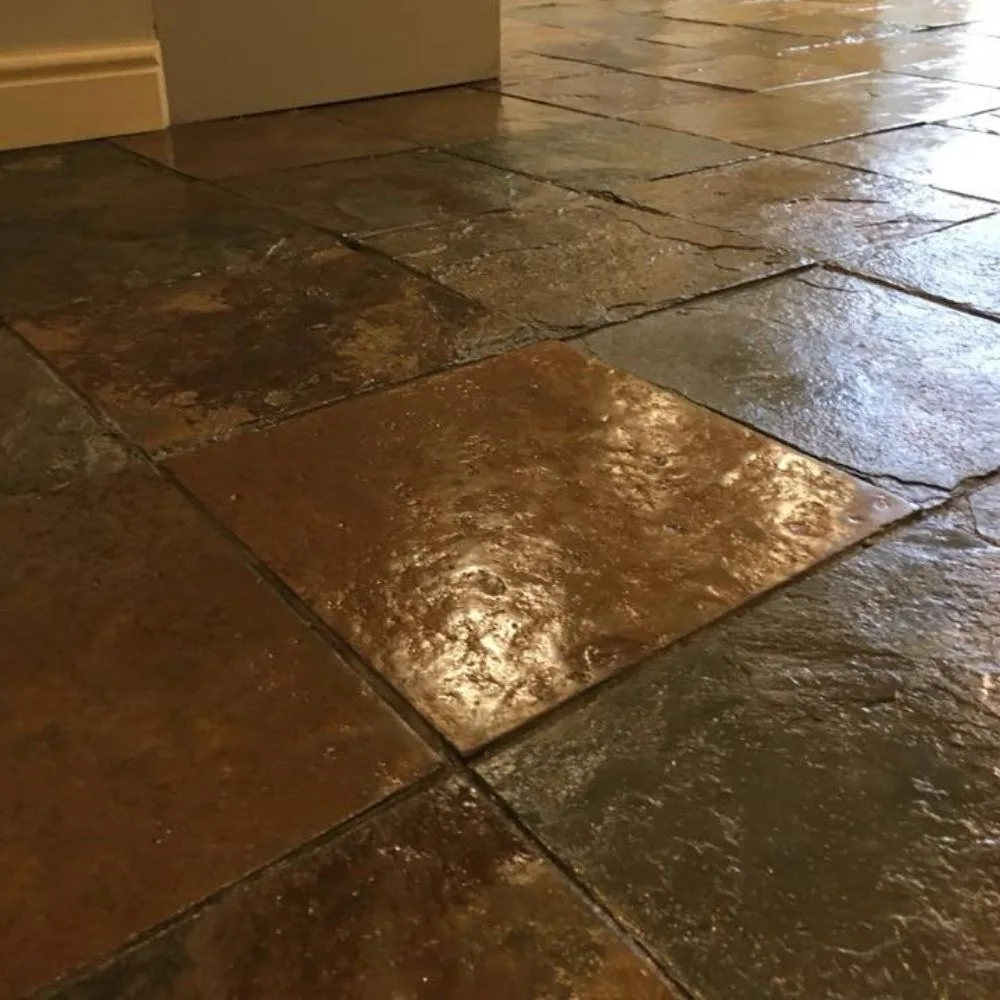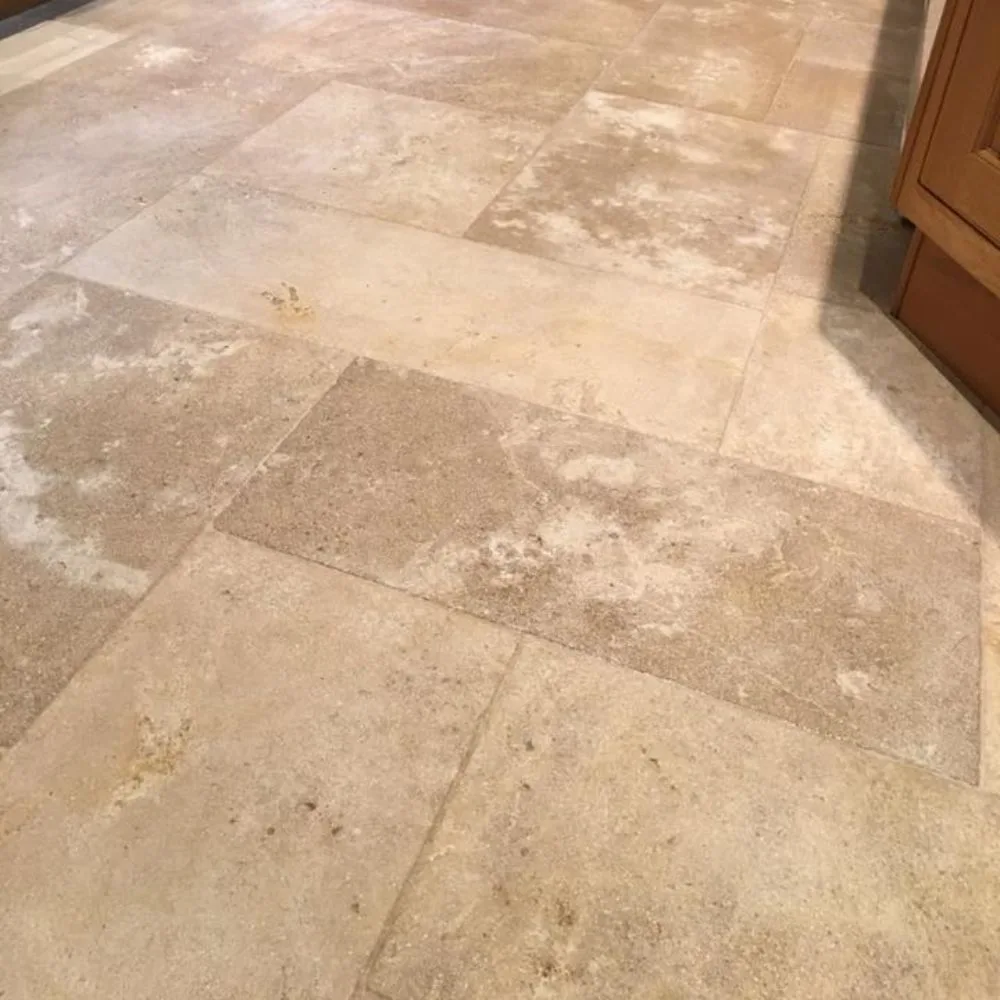
There are two kinds of floor sanding training in this country.
The first is run by a manufacturer or a distributor. It is often very good, and at the end of it somebody would like to sell you a sander, a bag of abrasives and a finish system. That is not dishonest — it is just the arrangement, and it quietly shapes what you get told about which machine to buy and which product to use.
The second kind has nobody standing behind it with an order form. That is the one we run.
We are not selling you anything
We are impartial. We will not sell you machines, we have no product affiliation, and there is no pitch at the end.
That matters more than it sounds. When nobody is selling you a finish, you can be told honestly which finishes are hard work, which ones are forgiving, and where the cheap option is genuinely fine. When nobody is selling you a machine, you can be told what a realistic starting set-up costs rather than the best one in the catalogue.
Rob and the team teach it, and they are the same people on the tools the rest of the week — in houses, schools, churches and commercial buildings across Yorkshire.
What the course covers
Six areas, and they are deliberately weighted towards the things that go wrong on real jobs rather than the things that look good in a brochure.
Preparing a room for restoration, and customer management. The part nobody teaches and everybody needs. How to protect a room, what to move and what to leave, and — just as important — how to set expectations with a customer before you start rather than explaining yourself afterwards.
When and where to use the correct abrasives, for efficiency and cost effectiveness. Grit selection is where margin is won and lost. Start too coarse and you have damaged a floor and bought yourself extra passes. Start too fine and you will spend a day achieving nothing and wear out a fortune in belts.
Sanding machines, equipment, and how to set up. The machines themselves, what each one is for, and the set-up that decides whether you get a flat floor or a wavy one.
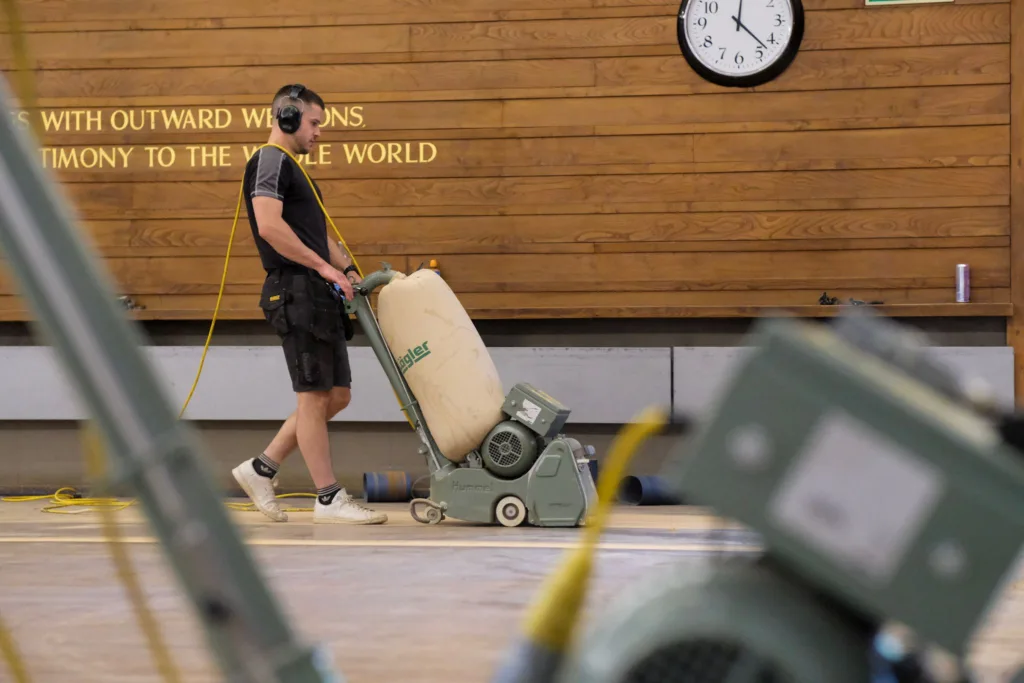
Machines and tools explained — basic set-up packages and correct machine set-up. What you actually need to start, as opposed to what you could spend. Drum tension, pressure, and the settings that separate a clean cut from chatter marks.
Lacquers, stains and oils — the pros and cons. Genuinely the pros and the cons. Every finish on the market is a trade-off between durability, repairability, appearance and how forgiving it is to apply.
Application of finishes — the how and the why. Not just the method, but why it works, so you can adapt when a floor or a room does not behave the way the tin assumed.
Who it suits
- Someone starting out who wants to learn properly rather than ruin two floors finding out
- A general builder or joiner who keeps getting asked to sand floors and would rather do it well than sub it out
- An established cleaning or flooring business adding restoration to what it already offers
- Someone who bought a machine and has discovered that owning one and using one are different things
Where it runs
We have training premises across the North, the Midlands, the South of England, and Belfast. Dates, locations and the detail of what you will cover are all worth a conversation rather than a web page — get in touch and we will talk it through.
Why we bother teaching at all
A fair question, given that everyone we train is in some sense a future competitor.
Two reasons. The first is that badly sanded floors are bad for everybody in this trade — we spend a good share of our time rescuing work somebody else did with a hired machine and no idea, and the customer's conclusion is usually that floor sanding is a con rather than that one person was out of their depth.
The second is that it keeps us sharp. You cannot teach why something works without understanding it properly yourself, and the questions people ask on a course are not always ones you had thought about.
If you would rather see the work than read about it, our post on why DIY restoration isn't worth it covers what actually goes wrong, and dust-free sanding explains the equipment side.
Where to go next
- Wood restoration training — dates, locations and how to book a conversation
- Wood sanding and finishing — the work itself, if you would rather we did it
Ask us to look
Floor Angels is a family-run firm, part of Cleaning Angels Yorkshire, and has been restoring floors across South and West Yorkshire since 2007 — Sheffield, Barnsley, Huddersfield, Holmfirth and the villages between them.
Call 0114 288 1937 or 07729 345 458, or send us a message, and we will come out, look at the floor and tell you honestly what can be done with it.