Pull up a loose block from an old parquet floor and look at the back of it. Nine times out of ten it comes away black and sticky.
That bitumen is the whole story of parquet restoration. It is what the blocks were stuck down with, and it decides what can be done with the floor, what it will cost, and whether a repair is straightforward or a nuisance.
Parquet is not a wood floor in a pattern
It behaves differently from boards in three ways that matter.
It is thin. A parquet block is typically somewhere between 8mm and 22mm, and the wear layer above the tongue is thinner still. Compared with a 22mm floorboard there is far less margin for error, and a floor that has already been sanded two or three times over a century may have very little left.
It moves in every direction. Boards run one way and expand across their width. Parquet blocks are laid at angles to each other, so the floor expands and contracts in two directions at once. That is why parquet cups, lifts and opens at the edges in ways a boarded floor does not.
Every block is its own problem. A damaged board can be lifted and replaced in one piece. A parquet floor with forty failed blocks is forty small jobs.
The patterns, and why they change the work
| Pattern | What it is | What it means for sanding |
|---|---|---|
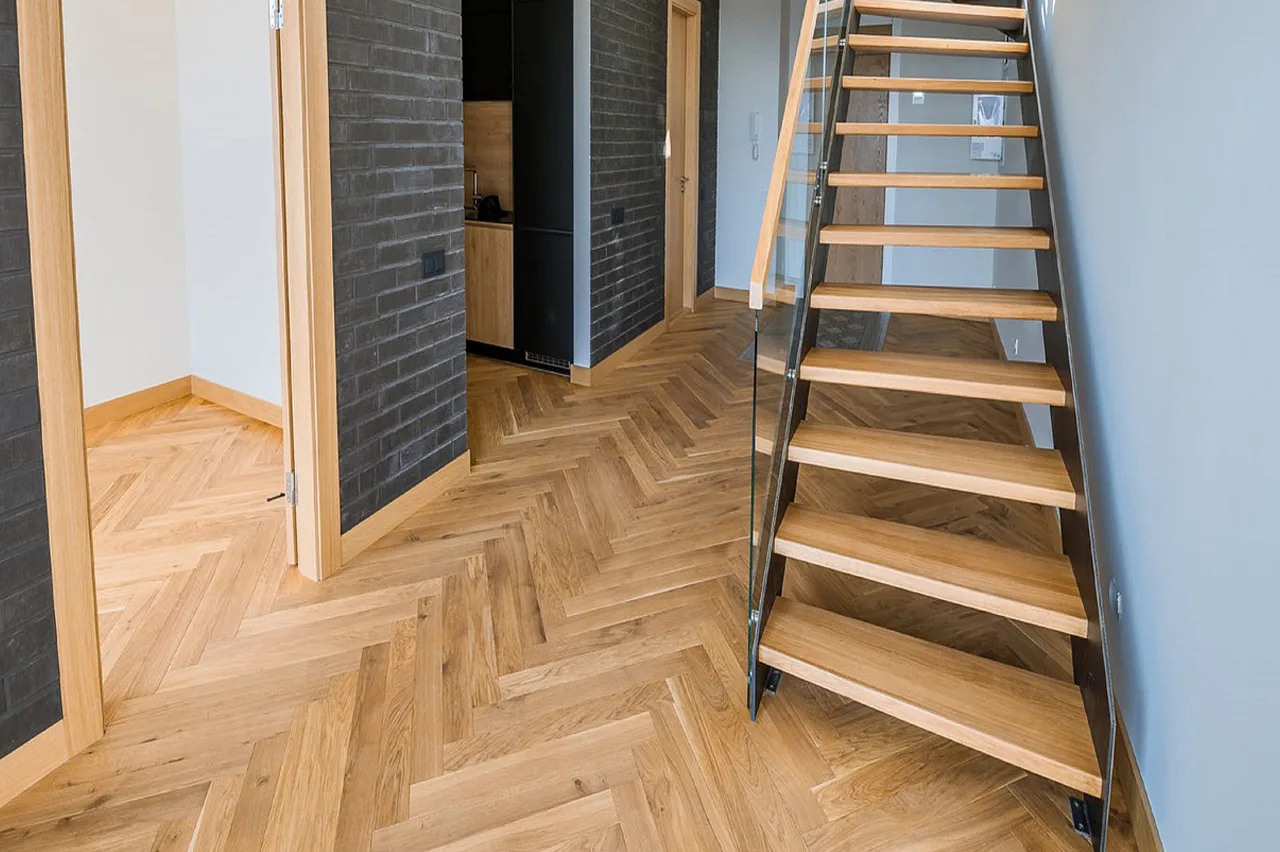
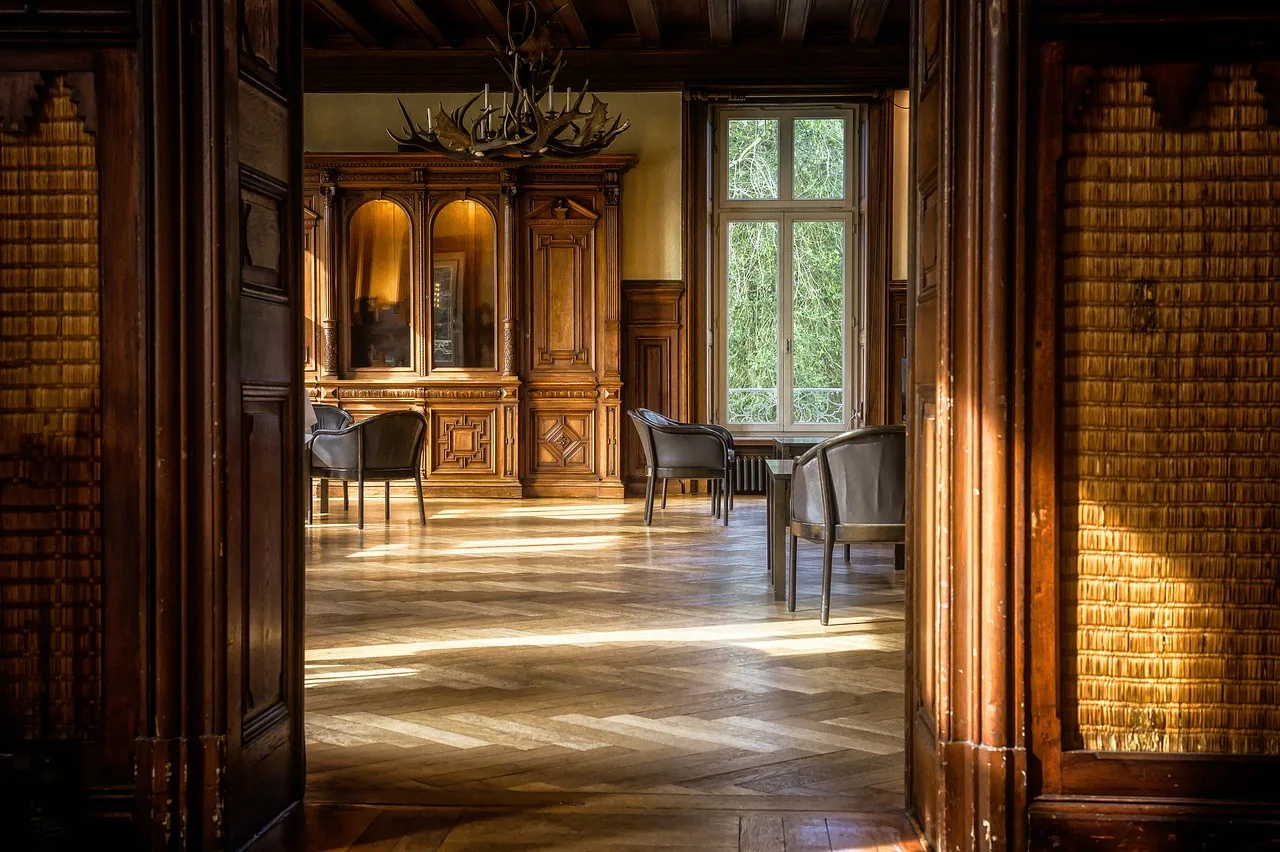
| Herringbone | Blocks at right angles in a staggered zig-zag | Grain runs in two directions at once — sanding along the grain is impossible, so it is worked diagonally |
| Double herringbone | Pairs of blocks in the same zig-zag | Same again, with twice as many joints to keep flat |
| Basketweave | Square groups alternating direction | Four grain directions in every tile's worth of floor |
| Brick bond | Blocks staggered like brickwork | The most forgiving of the four |
| Panel or mosaic | Small fingers in squares, often glued to a mesh | Very thin. Often cannot take a full sand at all |
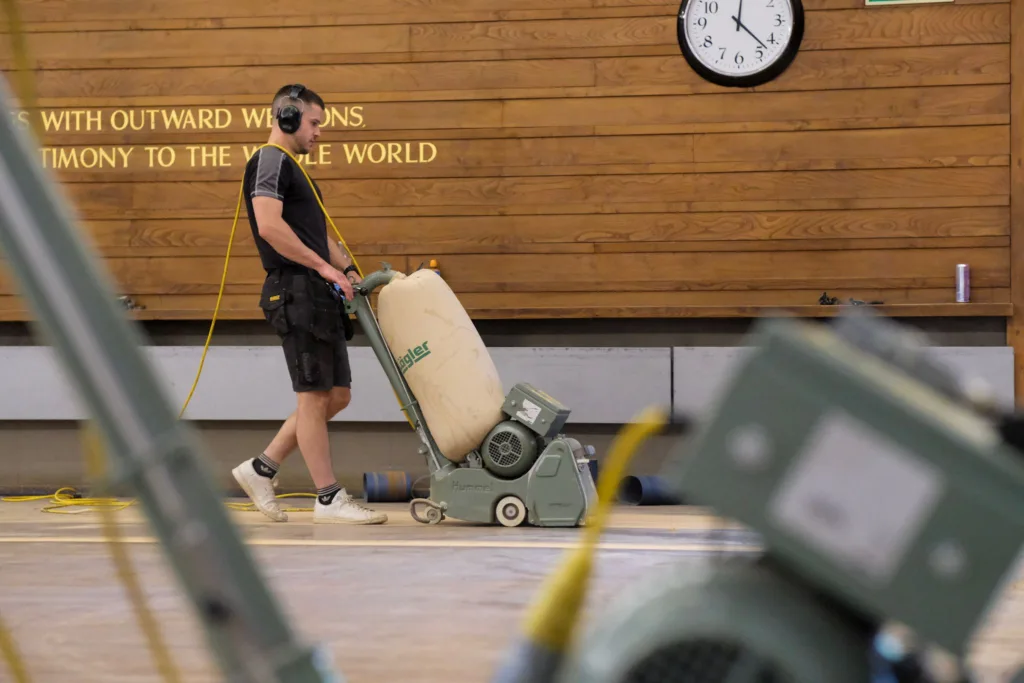
The practical consequence: on a boarded floor you sand with the grain, which is kind to the wood. On herringbone you cannot, because half the grain is at ninety degrees to the other half whichever way you go. The floor is worked diagonally, in two directions, with the grit sequence doing the work that grain direction would otherwise do. It is slower and it is less forgiving, and it is why parquet should not be a first attempt with a hired machine.
The bitumen
Old parquet was bedded in hot bitumen. It is a remarkably good adhesive and it is still holding down floors laid before the war.
What it is not is friendly to modern work:
- It clogs abrasives. Sanding down into bitumen glazes the belt almost immediately, which wastes material and leaves burn marks.
- It moves when it is warm. A floor that sat flat for eighty years can shift after underfloor heating goes in.
- It is not a modern adhesive. When blocks are relaid, what goes under them has to be compatible with what is already there, or the repair lifts.
- It can stain. Bitumen bleeding up between blocks shows as dark lines that no amount of sanding removes, because more keeps coming.
None of this makes a floor unsaveable. It does mean the person doing it needs to have met it before.
What usually needs doing
Lifting and loose blocks. Common at doorways, near radiators and anywhere water has been. Blocks are lifted, the old adhesive is cleaned off the back and the subfloor, and they go back down. Keeping the original blocks matters — matching eighty-year-old oak to anything currently sold is close to impossible, so missing ones usually come from a cupboard, under a sofa, or from a reclaim yard.
Gaps. Parquet opens up as it dries over decades. Some gapping is part of the character of an old floor and filling every last one looks wrong; wide ones can be filled, and very wide ones mean the floor wants relaying rather than filling.
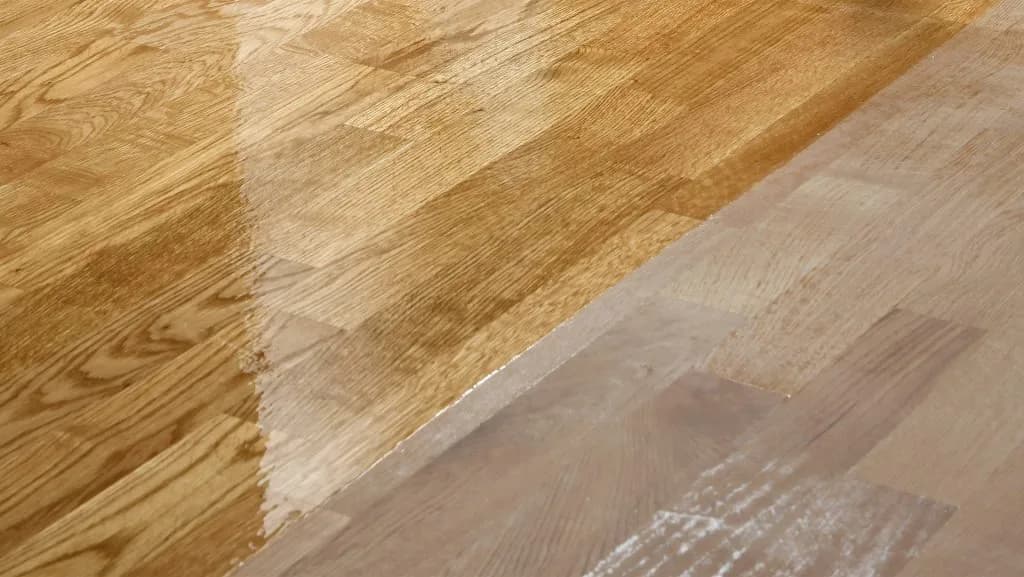
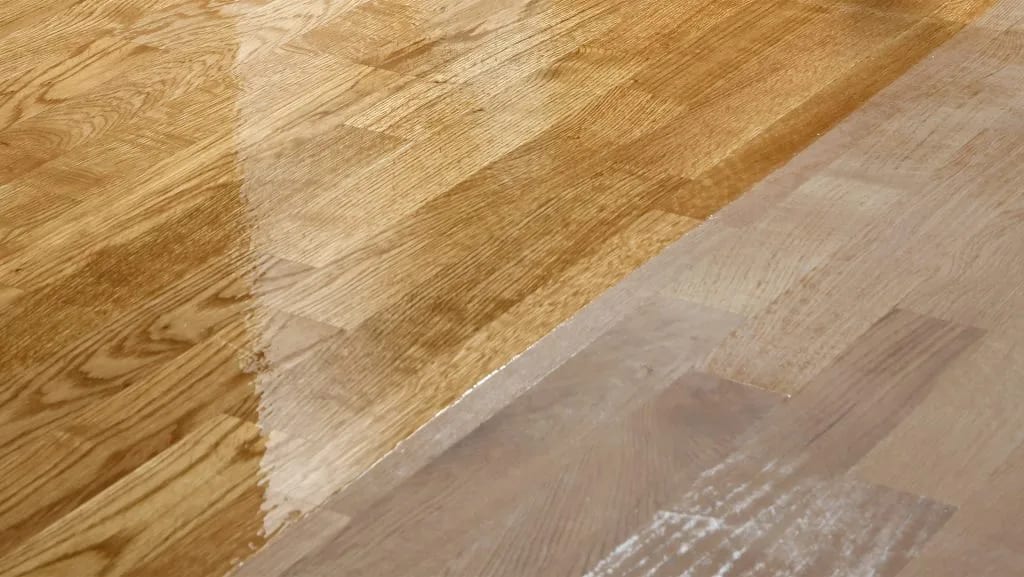
Old finish, wax and polish. Many of these floors have a century of wax on them. That comes off before anything else happens, and it is often the single biggest visual change.
Previous bad repairs. Modern boards patched into a block floor, the wrong species, blocks in upside down. All fixable; all worth finding before the quote rather than during the job.
Every job starts with a free, no-obligation visit from Rob, our fully trained floor technician. He surveys the floor properly, carries out a demonstration on a small area so you can see the result on your own floor rather than somebody else's, and talks through the finish you want.
On parquet that survey is doing one extra thing: establishing how much wood is actually left above the tongue. That one measurement decides whether the floor gets a full sand, a light cut, or a clean and recoat with no sanding at all. It is also the honest answer to "can this be saved" — and occasionally the answer is that it can be cleaned and waxed but should not be sanded again.
Finishing parquet
Patterned floors show finish defects more than plain boards do, because the eye follows the pattern and any unevenness follows it too. Hardwax oil suits parquet well for that reason: it can be repaired in sections, which matters on a floor where one area is likely to take more wear than the rest. Lacquer is harder wearing but a worn patch means recoating the area. There is more on that choice in oil or lacquer.
Where we work
We restore parquet across Sheffield, Barnsley, Huddersfield and Holmfirth, in houses and in commercial buildings — reclaimed parquet is one of the floor types we see most in offices, bars and shops.
- Wood sanding and finishing — the service
- Why restoring beats replacing — particularly true of parquet, which cannot be bought again
- Town pages for Huddersfield, Sheffield, Barnsley and Holmfirth
Ask us to look
Floor Angels is a family-run firm, part of Cleaning Angels Yorkshire, and has been restoring floors across South and West Yorkshire since 2007 — Sheffield, Barnsley, Huddersfield, Holmfirth and the villages between them.
Call 0114 288 1937 or 07729 345 458, or send us a message, and we will come out, look at the floor and tell you honestly what can be done with it.