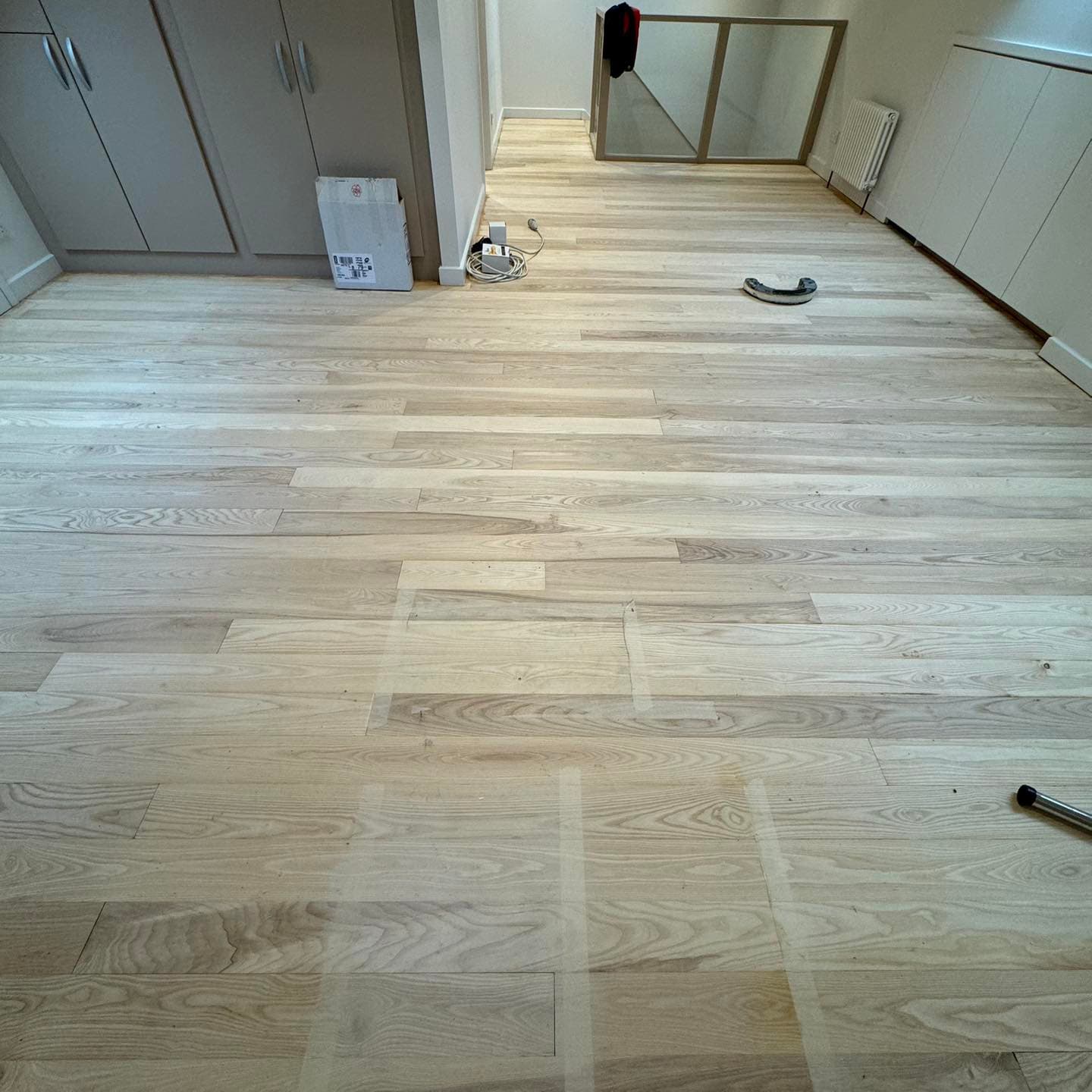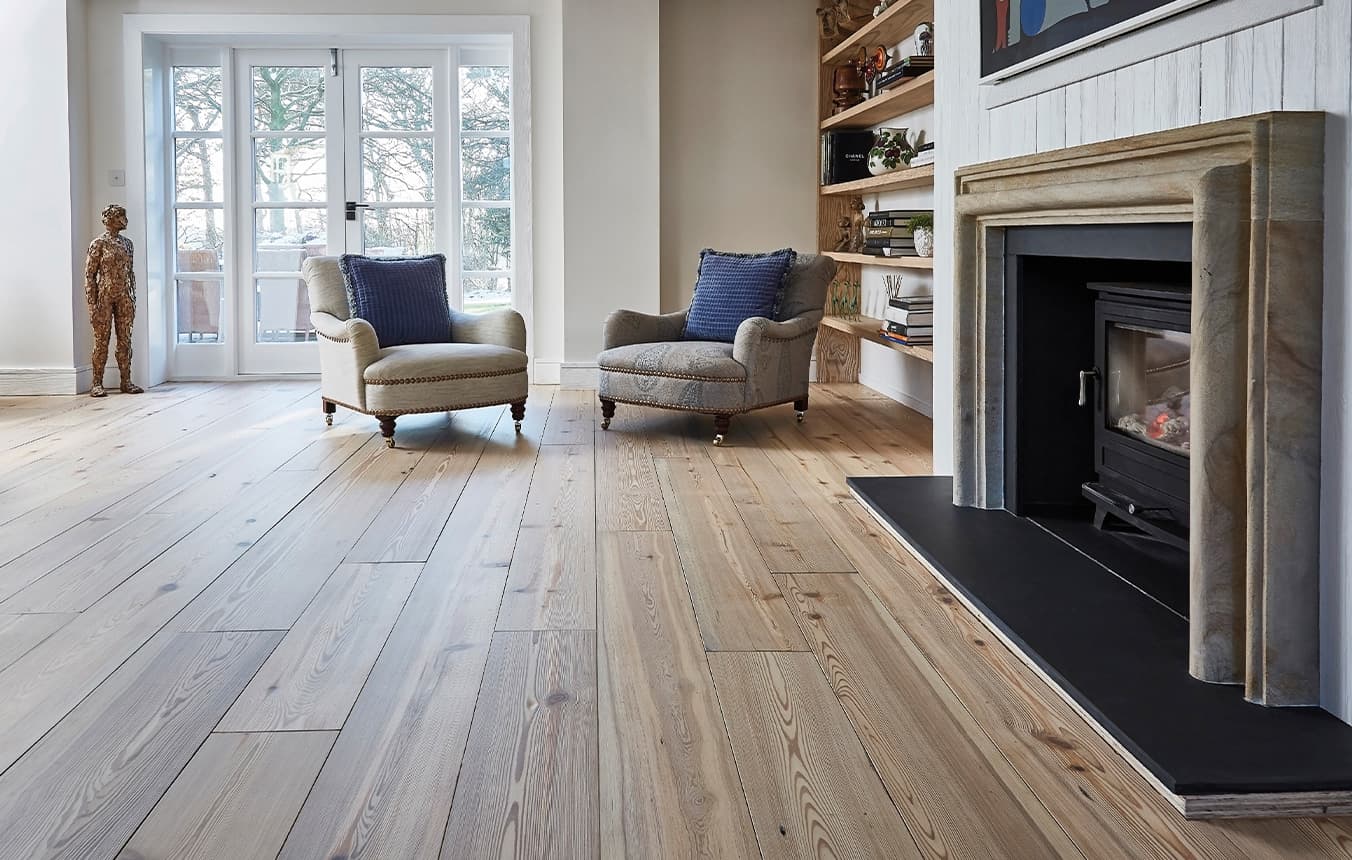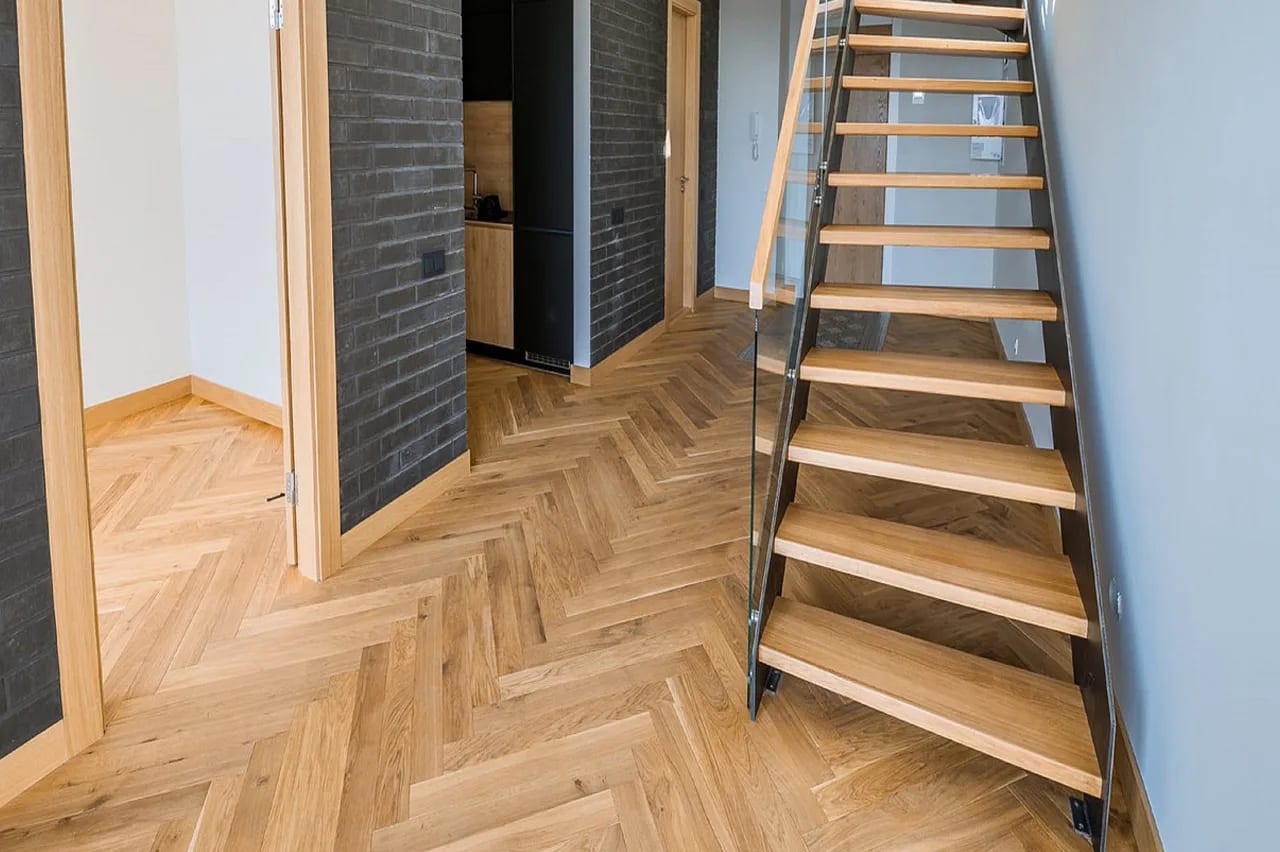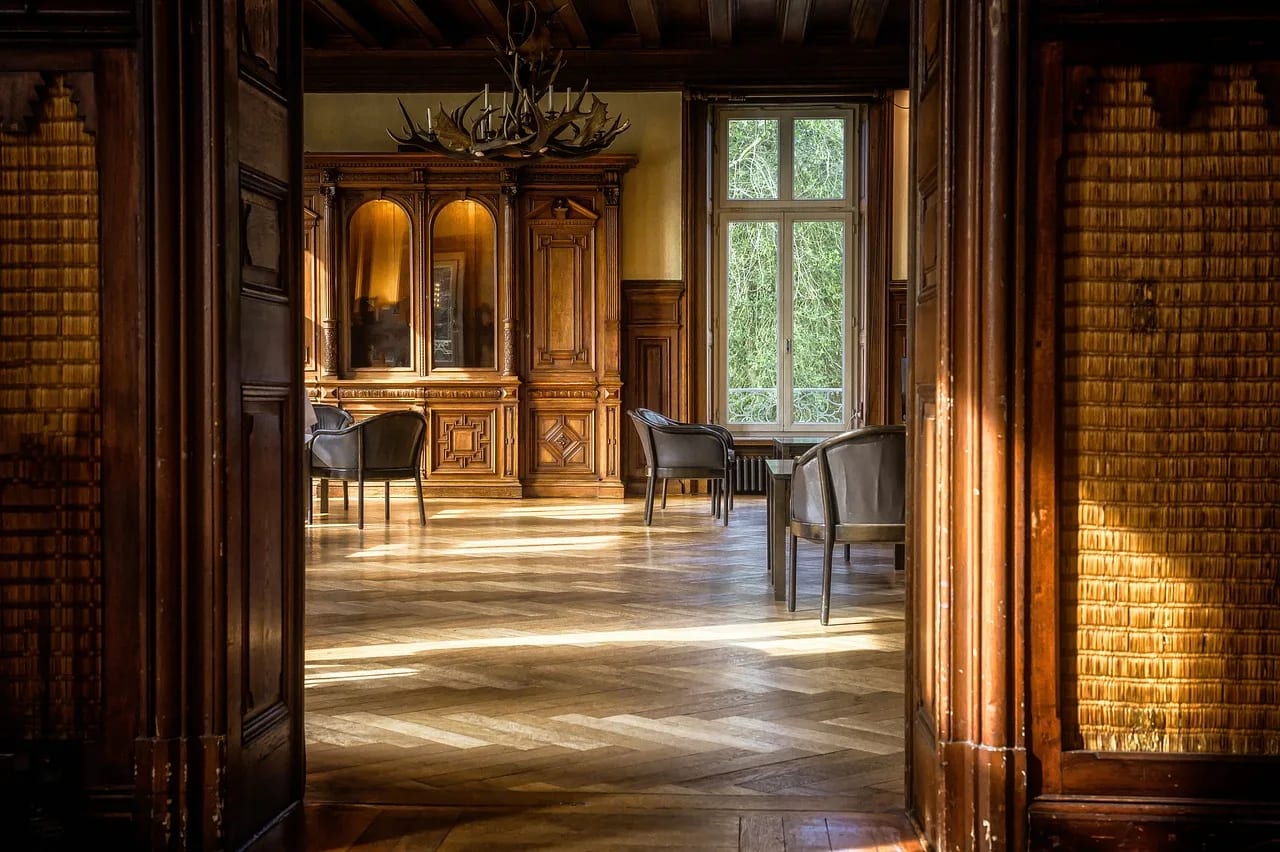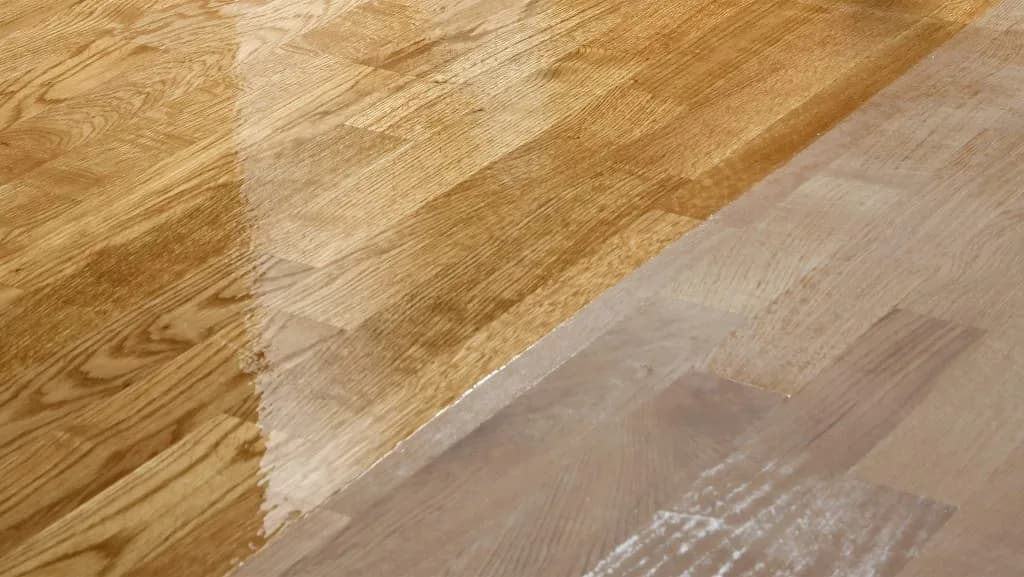
The sanding is finished, the last coat is on, and the room looks like it did the day the floor was laid. The next few weeks decide whether it stays that way.
A new finish is at its most vulnerable just after it goes down. It feels dry long before it is hard, and most of the damage we get called back to look at — a rug outline, a scraped doorway, a dull patch by the sink — happened in that gap between "dry" and "cured". Here is how to get through it, and how to look after the floor for years afterwards.
Dry to walk on is not the same as cured
Every floor finish goes through two stages.
Dry means the surface is no longer tacky and you can walk across it in socks. Cured means the finish has fully hardened and reached the strength it was designed for. The gap between the two is where people get caught out.
As a rough guide, and only as a guide:
- Water-based lacquers usually take light foot traffic somewhere between a few hours and a day after the final coat. Manufacturers commonly quote full cure at around three days, and some products take a week. Those figures are measured at room temperature; a cold house in a Yorkshire winter slows everything down.
- Hardwax oils dry in a similar time but harden more slowly. Full cure is often quoted at around 10 to 14 days, and some products or timbers take three to four weeks.
The figures vary from product to product, so the rule that matters is simple: follow the finish manufacturer's guidance for the product on your floor. We will tell you what went down and what that means for your timings before we leave.
When can furniture go back?
Furniture can usually return before the finish is fully cured, as long as it is lifted rather than slid, and every leg has a felt pad on it first. Lift heavy pieces into place and put them down gently — dragging a sofa across a lacquer that is still hardening is the fastest way to leave a mark you will look at for the next ten years. If you can hold off on the heaviest items for the first few days, do. If marks do appear later, our guide to pet scratches, chair marks and heel dents explains what can be fixed and how.
Why rugs go back last
Rugs wait until the finish has fully cured, and on an oiled floor that can mean a couple of weeks or more.
There are two reasons. A rug or rubber-backed mat stops the finish breathing out as it hardens, and some oil manufacturers warn that covering the floor during curing can leave the wood underneath a different colour from the rest of the room. And a rug pressed onto a finish that is not yet hard can leave its pattern, or its underlay, in the surface.
When they do go back, use an underlay made for wood floors. Some cheap rubber and PVC backings react with finishes or trap moisture.
Felt pads are not optional
Every chair, table, stool and sofa leg that touches the floor needs a felt pad. Not the hard plastic glides that come with flat-pack furniture — those trap grit and act like sandpaper. Check them every few months; felt wears through, picks up grit and falls off. A missing pad on one chair leg is behind a surprising number of the scratched floors we see.
Two other habits help from day one: a proper entrance mat on both sides of every outside door, to catch the grit before it reaches the wood, and no stiletto heels or football boots on the new floor if you can help it.
Cleaning a new wood floor in the first few weeks
Keep it dry. For the first fortnight or so — and until full cure on an oiled floor — stick to:
- a soft brush or a vacuum on its hard-floor setting (not a beater bar)
- a dry or barely damp microfibre mop for anything the brush will not lift
- wiping spills up straight away rather than leaving them to soak
No wet mopping and no cleaning products until the finish is cured. A finish that has not hardened yet is easier to soften, dull or mark with water and chemicals than it will be in a month's time.
Cleaning it long term
Once the finish is cured, the routine is the same as for any good wood floor.
Sweep or vacuum often. Grit carried in on shoes is what wears a finish away, and a floor that is swept regularly will outlast one that gets a thorough wash once a fortnight.
Damp, not wet. Use a well wrung-out microfibre mop and a cleaner made for wood floors. Water left standing on a floor finds its way into joints and board edges, which is where swelling and staining start.
Use the right cleaner for the finish. Lacquered and oiled floors want different products. Cleaners made for oiled floors are generally soap-based and help keep the oil topped up; cleaners for lacquered floors are not.
What to avoid:
- Steam mops. Hot steam is driven into the joints between boards and can make the wood swell and move. Wood floor finish manufacturers advise against them, and so do we.
- Bleach, ammonia, strong degreasers and general-purpose household cleaners. They are made for other surfaces and can strip or dull a finish.
- "Shine" products and polishes on a lacquered floor. They build up, attract dirt, and can make it harder to bond a fresh coat on top when the floor eventually needs one.
Lacquer and oil look after differently
We covered the choice itself in oil or lacquer: which finish for your wood floor?, so we will not repeat it here. What matters for aftercare is how each one gets older.
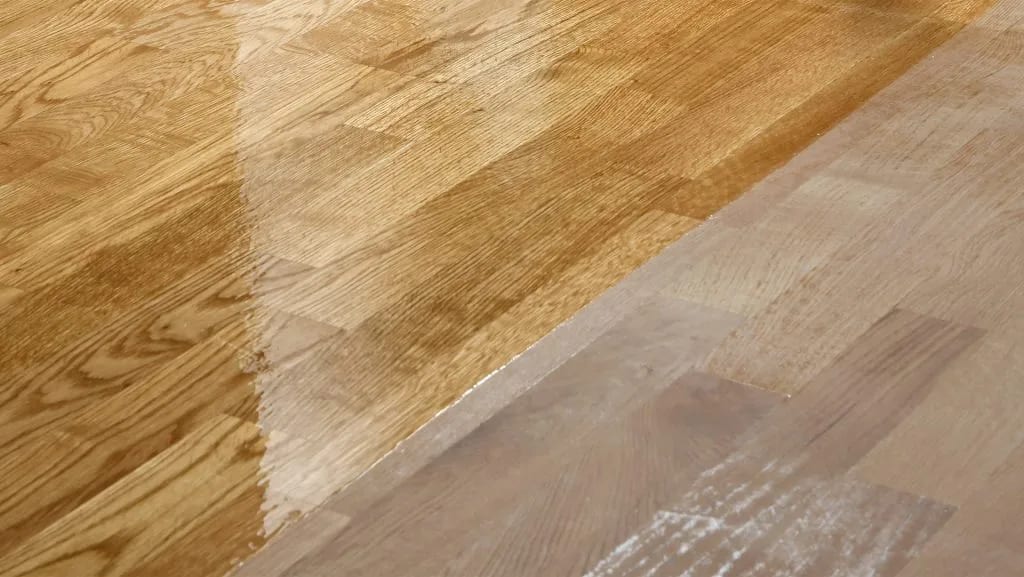
A lacquered floor is protected by a film on top of the wood. Look after the film and the wood underneath stays untouched. When the film starts to look tired in the traffic lanes, the right time to act is before it wears through to bare timber. At that point the surface can usually be cleaned, lightly abraded and given a fresh coat. Leave it until there is grey wood showing in the doorway, and that area — usually the whole room — needs sanding again.
An oiled floor is protected by oil in the wood rather than a film on it. It wants topping up now and then: a maintenance oil once the floor starts to look dry or patchy in the busiest areas. The advantage is that you can do the worn area on its own and it blends in.
How often depends on the room. As a rule, look at the doorways and the route you walk most. When they look different from the corners of the room, it is time.
Refresh coats and when to call us
A maintenance coat is far less work, far less disruption and far less cost than a full re-sand — and every full re-sand takes a little more timber off the boards. On an original pine floor in a period house, that timber is finite. Our pine floorboards post explains why it matters.
If you are not sure whether the floor needs a maintenance coat or something more, ask us to look before it gets to bare wood. Floor Angels Wood Floor Restoration Q&A answers a lot of the general questions we get.
Where to go next
- Wood sanding and finishing — the service, finishes and what to expect
- Floor sanding across Yorkshire
- Why restoring natural wood floors beats replacing them
- Local pages for Sheffield and Huddersfield
Ask us about your floor
Floor Angels is a family-run firm, part of Cleaning Angels Yorkshire, and has been restoring floors across South and West Yorkshire since 2007 — Sheffield, Barnsley, Huddersfield, Holmfirth and the villages between them.
If your floor is past the point of a refresh, Rob will come out, look at it properly and tell you honestly what it needs.
Call 0114 288 1937 or 07729 345 458, or send us a message.